Intracranial atherosclerosis, also called intracranial atherosclerotic disease (ICAD), occurs when plaque builds up in arteries inside the skull. As these arteries narrow, less blood and oxygen may reach parts of the brain.
ICAD is a major cause of ischemic stroke. A stroke can occur when severe narrowing limits blood flow, a clot forms at the plaque, or plaque debris blocks a smaller artery. Some people have no symptoms until circulation becomes significantly impaired.
Treatment focuses on lowering the risk of stroke. It may include antiplatelet and cholesterol-lowering medicines, control of high blood pressure or diabetes, and changes involving tobacco use, diet, and exercise. Procedures to improve blood flow are considered only for carefully selected patients.
Symptoms depend on the artery involved. They may include sudden weakness or numbness, facial droop, trouble speaking, vision loss, double vision, poor coordination, or severe imbalance. A TIA causes symptoms that go away, but it is still an emergency because a major stroke may follow.
Call 911 for any sudden change in brain or nerve function. Fast treatment can save brain tissue. Emergency testing can also show whether a narrowed artery caused the event.
Evaluation begins with CT or MRI to find new and earlier areas of brain injury. CT angiography or MR angiography then shows where an artery is narrow and how severe the blockage is. These scans also show whether other arteries carry blood around the diseased area.
Other tests may include blood-flow imaging, ultrasound through the skull, or catheter angiography. Catheter angiography gives the clearest view but is invasive. It is usually saved for unclear cases or when the team is considering a catheter-based procedure.
For most patients with symptoms from ICAD, medicine is the first treatment. The plan may include antiplatelet medicine, strong cholesterol treatment, control of blood pressure and diabetes, help quitting tobacco, exercise, and diet changes. The exact medicines and goals depend on the recent stroke, bleeding risk, and other health needs.
Angioplasty and stenting inside the skull are not routine first treatments because they can cause a stroke. The team may consider them for a small group of patients who keep having symptoms despite medical care. Severe narrowing and poor alternate blood flow may also affect the decision. An experienced team should review these cases together.
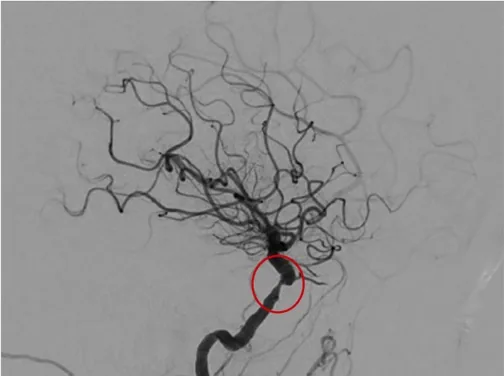 Before stenting
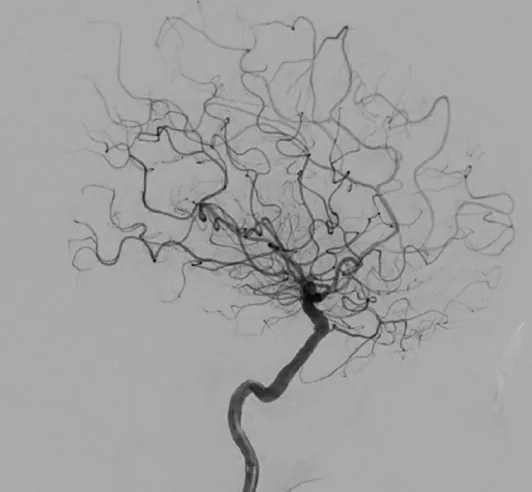 After stenting
Follow-up focuses on the narrowed artery and the patient's overall health. Repeat scans may show whether disease has progressed. Clinic visits review medicines, blood pressure, cholesterol, diabetes, exercise, and any new symptoms. New or brief stroke-like symptoms should be reported at once rather than saved for a routine visit.