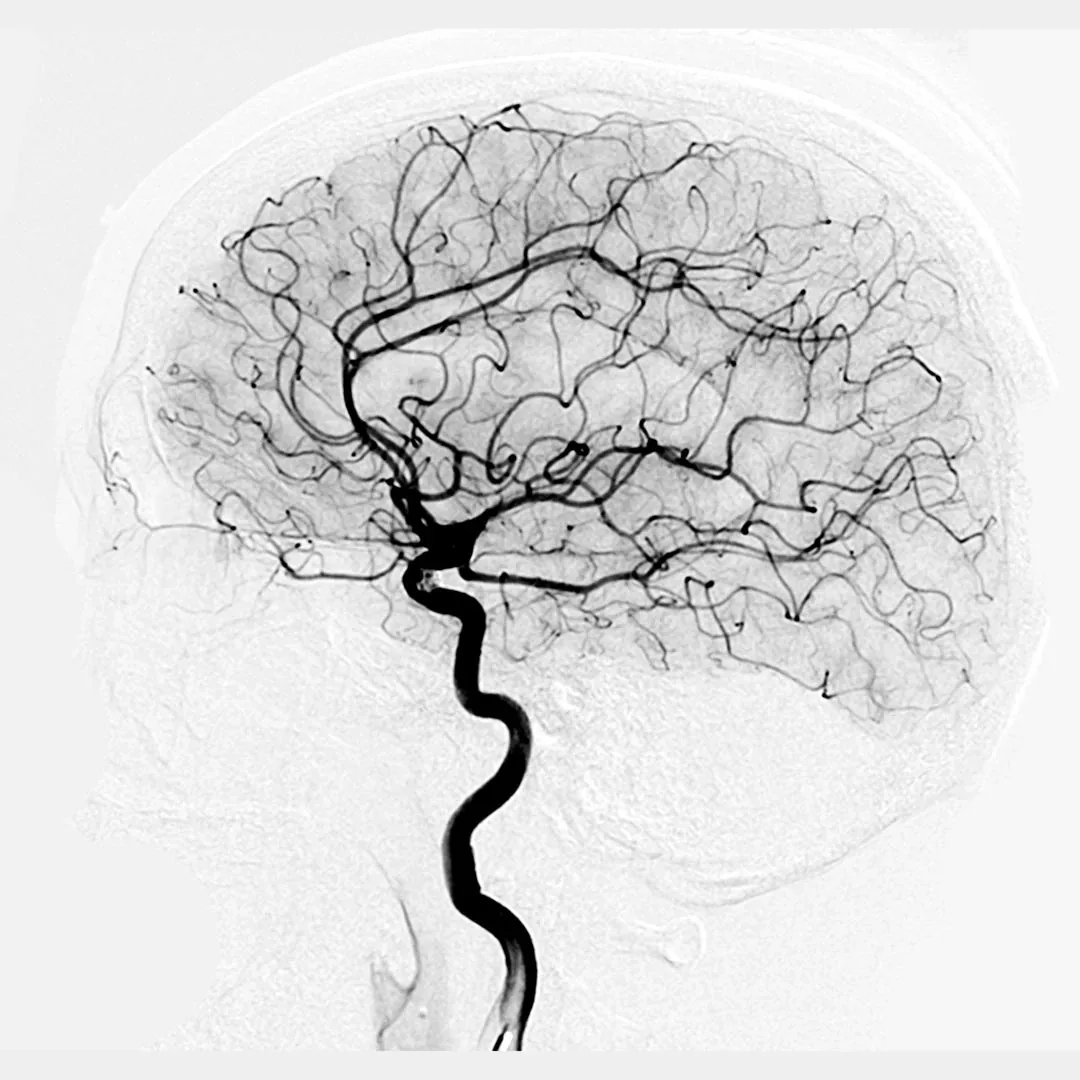
Brain Aneurysm Institute at Beth Israel Deaconess Medical Center
We combine minimally invasive endovascular techniques with open microsurgical expertise to tailor treatment to each patient.
Brain Aneurysm Institute is affiliated with


Who We Are
Based in Boston, Massachusetts, our group provides state-of-the-art care for people with a broad range of disorders affecting the brain. Our team delivers comprehensive evaluations, accurate diagnosis, and appropriate treatment consistent with each patient’s goals.
If you face a complex brain condition, you’ll benefit from our expertise and advanced training. Offering high-quality, personalized care is our top priority.
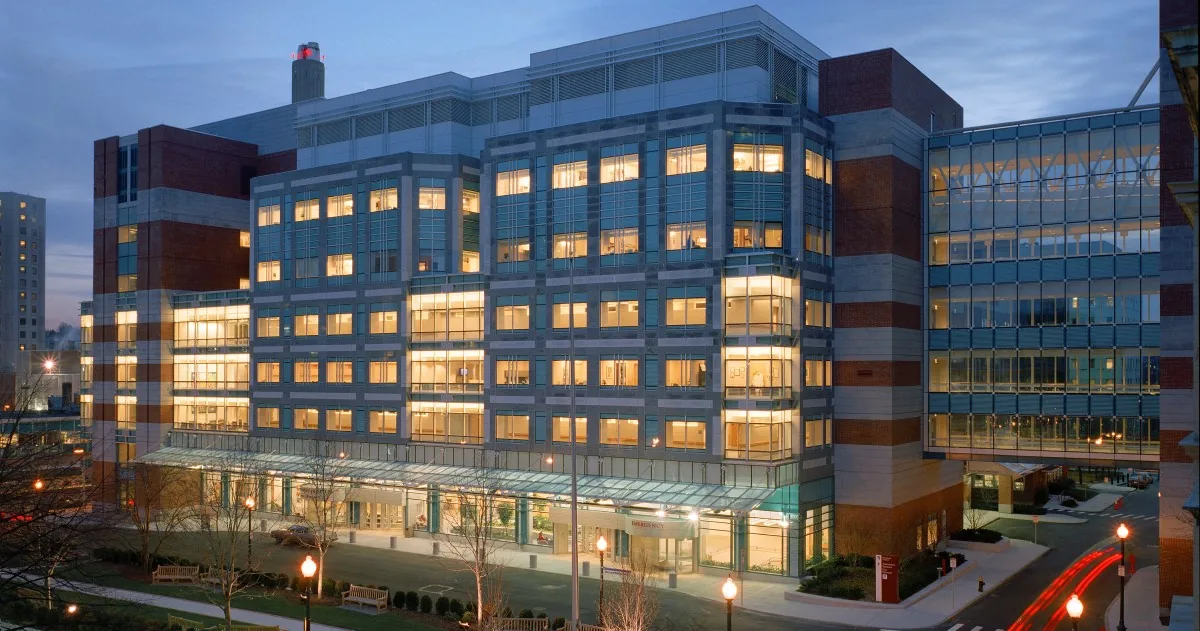
Our group evaluates each case from both endovascular and open microsurgical perspectives, then matches the treatment plan to the anatomy, urgency, and patient goals.
Quick Links
Our Attendings

Neurological Surgery
Professor of Neurosurgery, Harvard Medical School
Director, Endovascular and Operative Neurosurgery
Director, Brain Aneurysm Institute at Beth Israel Deaconess Medical Center
Founder, Brain Aneurysm Foundation
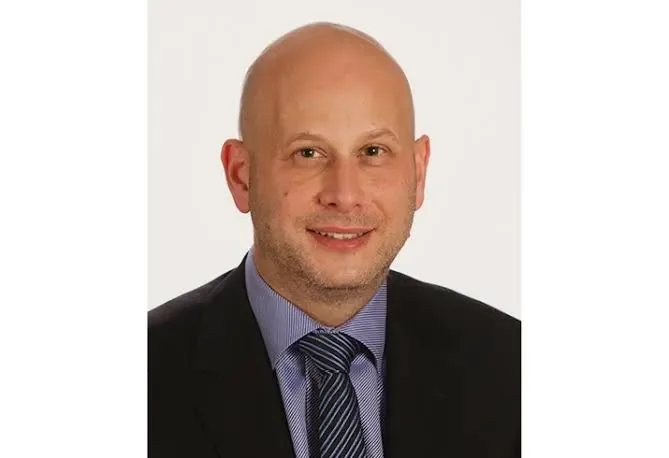
Neurological Surgery
Associate Professor, Neurosurgery, Harvard Medical School
Co-Director, Brain Aneurysm Institute at Beth Israel Deaconess Medical Center
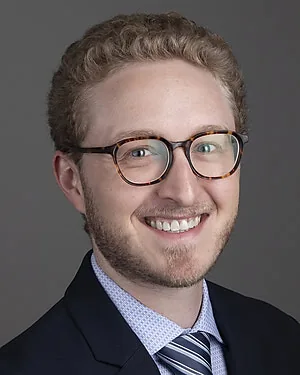
Neurointerventional Surgery
Director, Neurovascular Quality Assurance
Clinical Team
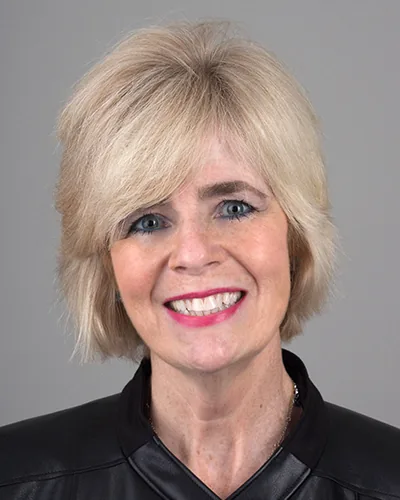 DB
DB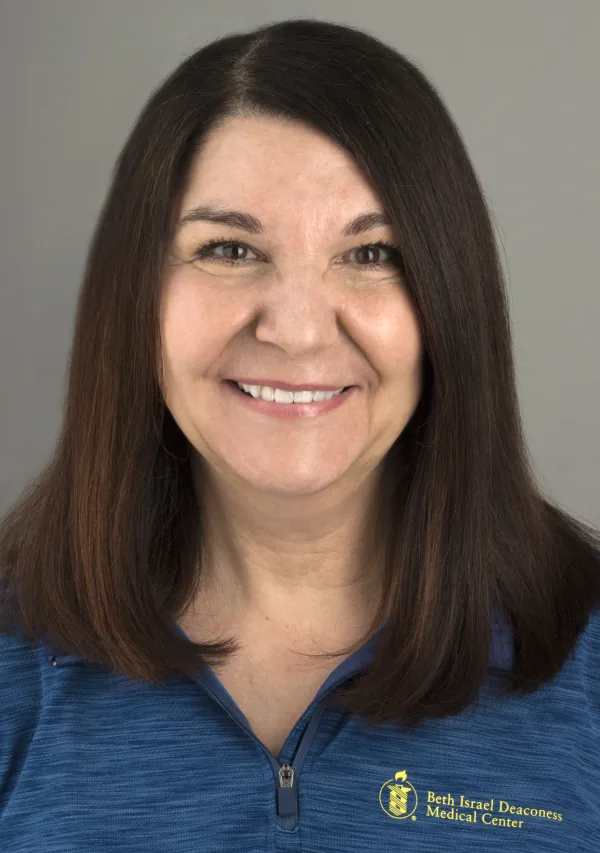 DD
DD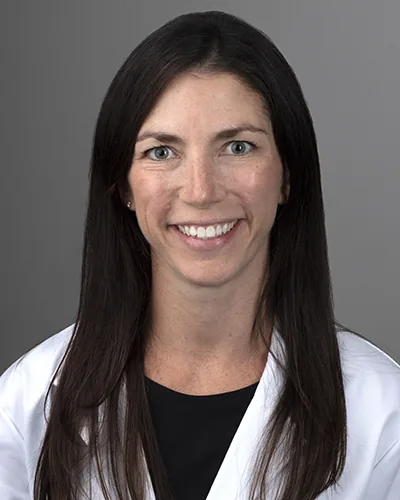 KK
KKTraining Program
 QA
QA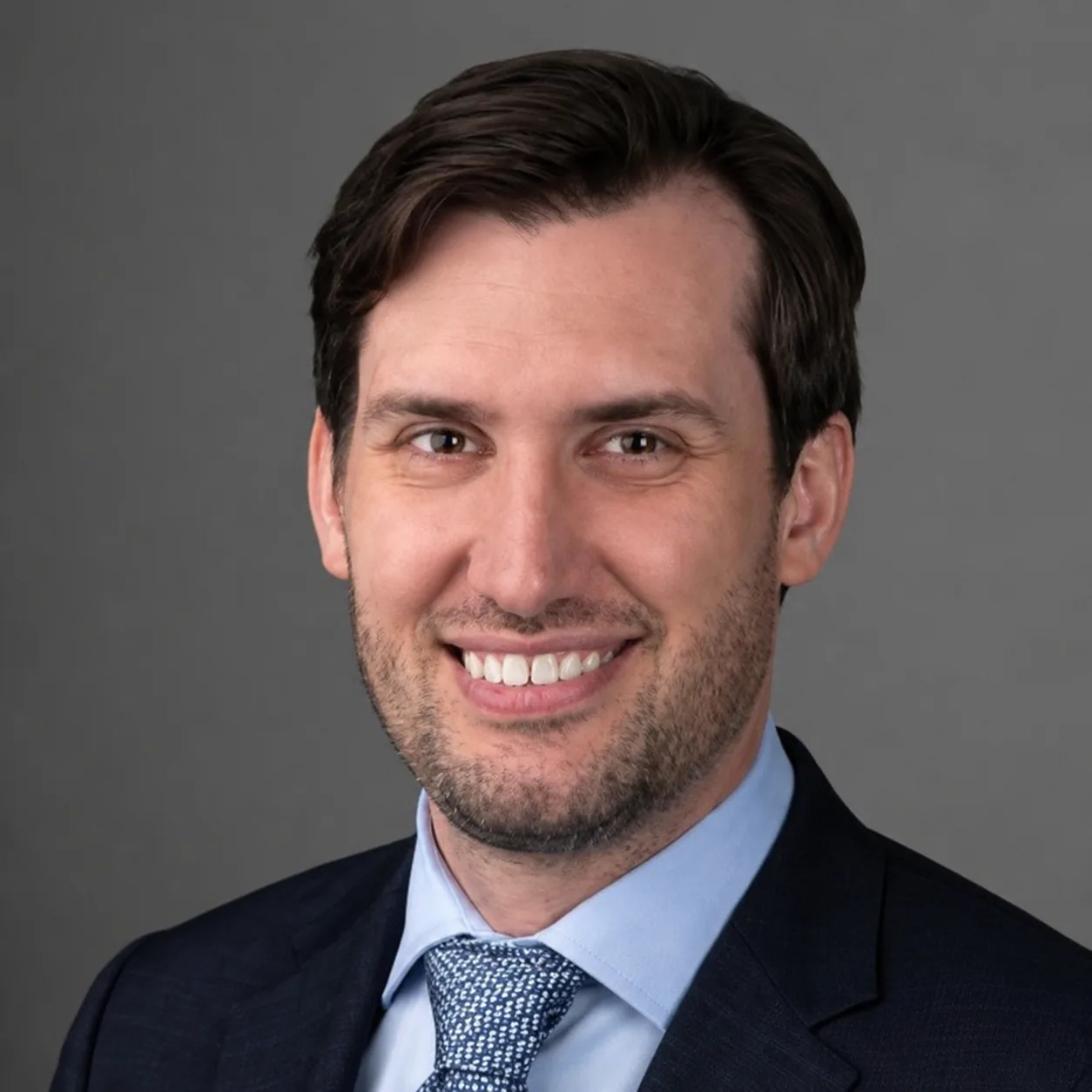 CM
CM MS
MSConditions & Treatments
From brain aneurysms and arteriovenous malformations to ischemic and hemorrhagic stroke, we treat the full spectrum of cerebrovascular disease using the technique best suited to each patient.